


St Andrews House Scottish Highlands
Charming luxurious homestay just a short walk from Fort William
BookMember since November 2025
 Image 1 of 13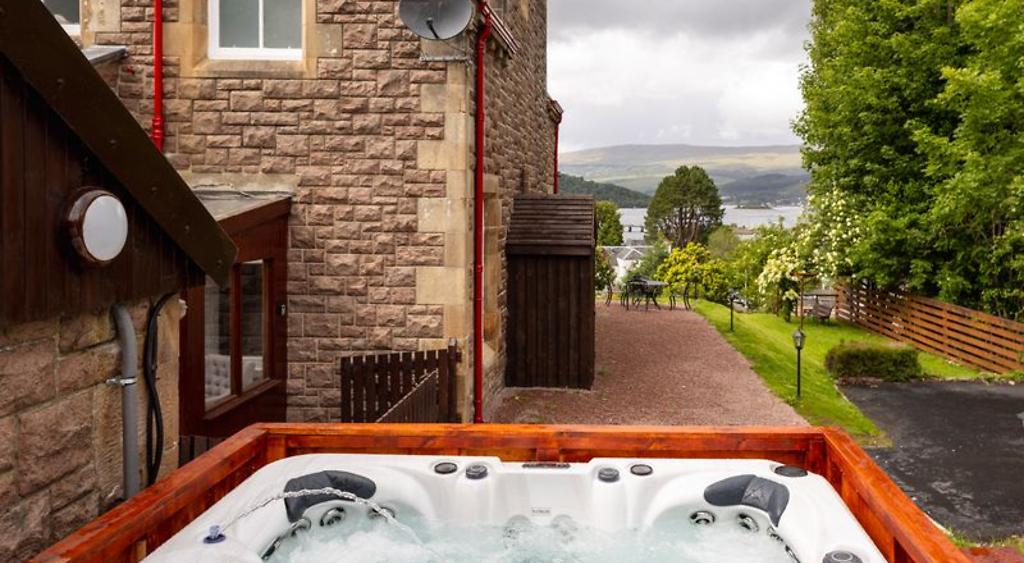
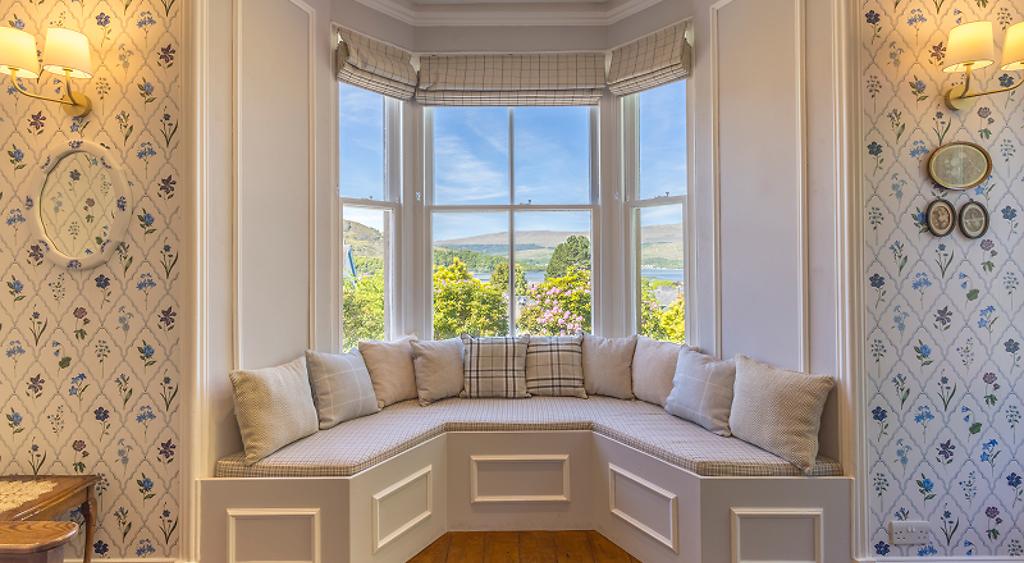
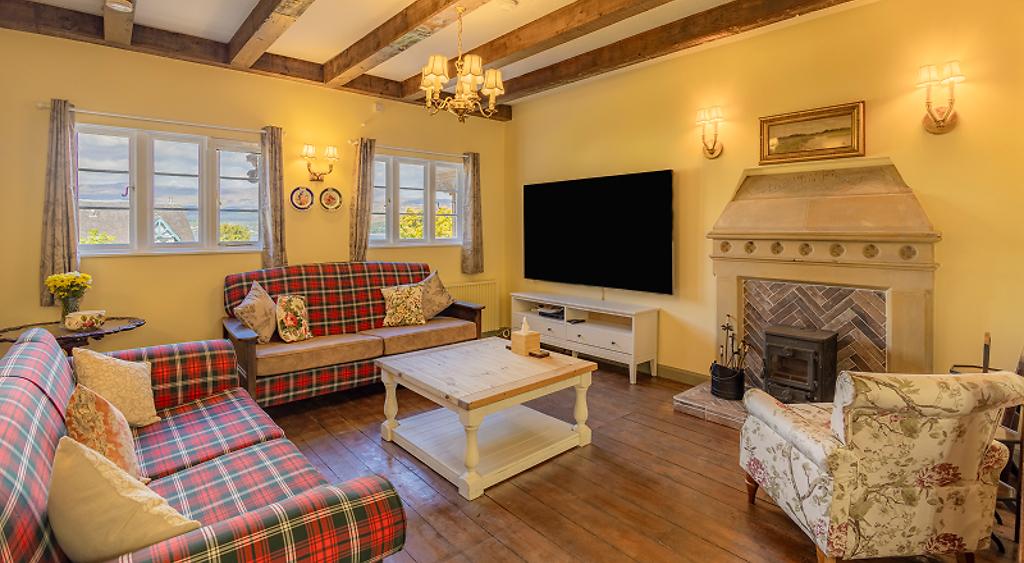
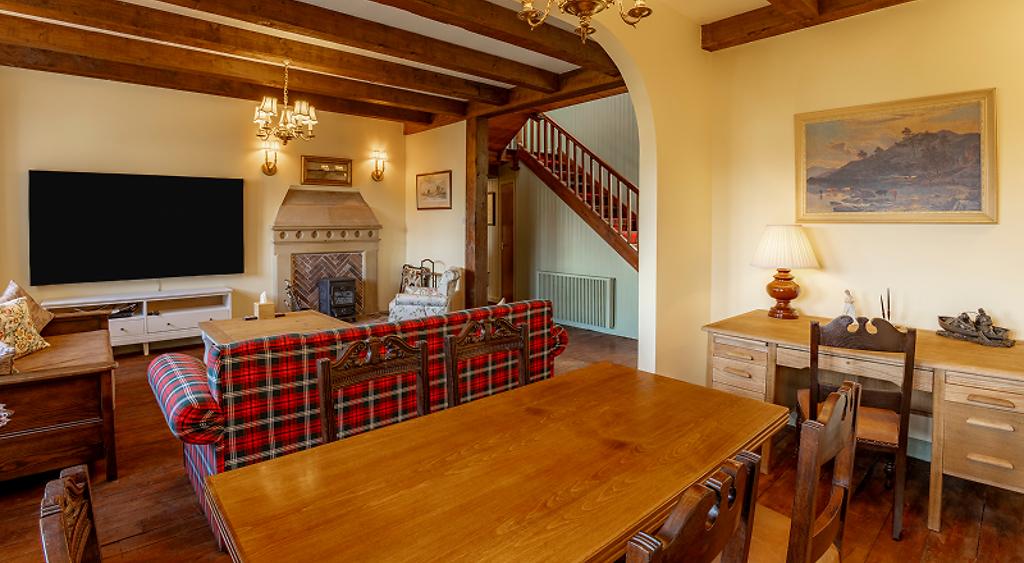
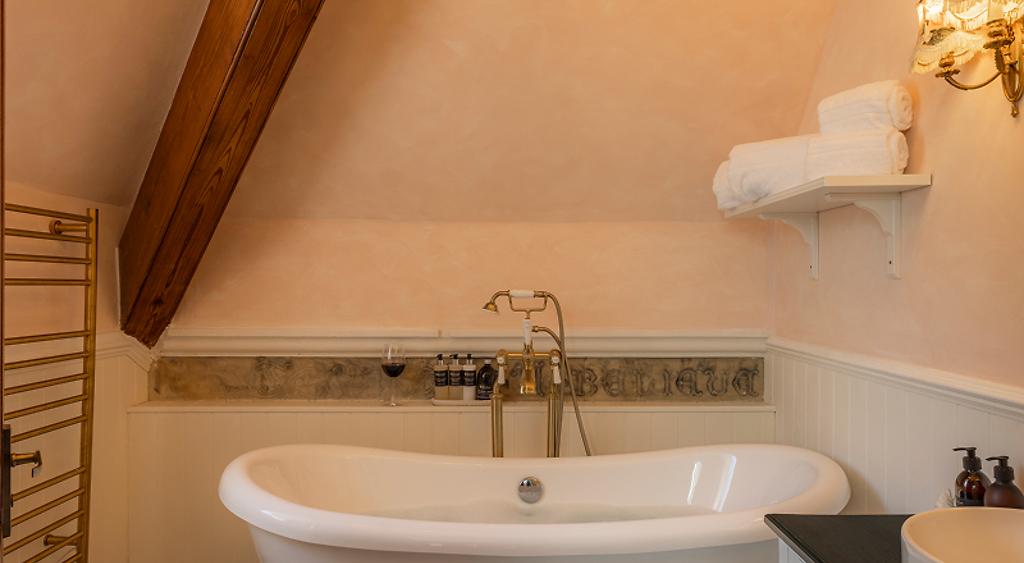
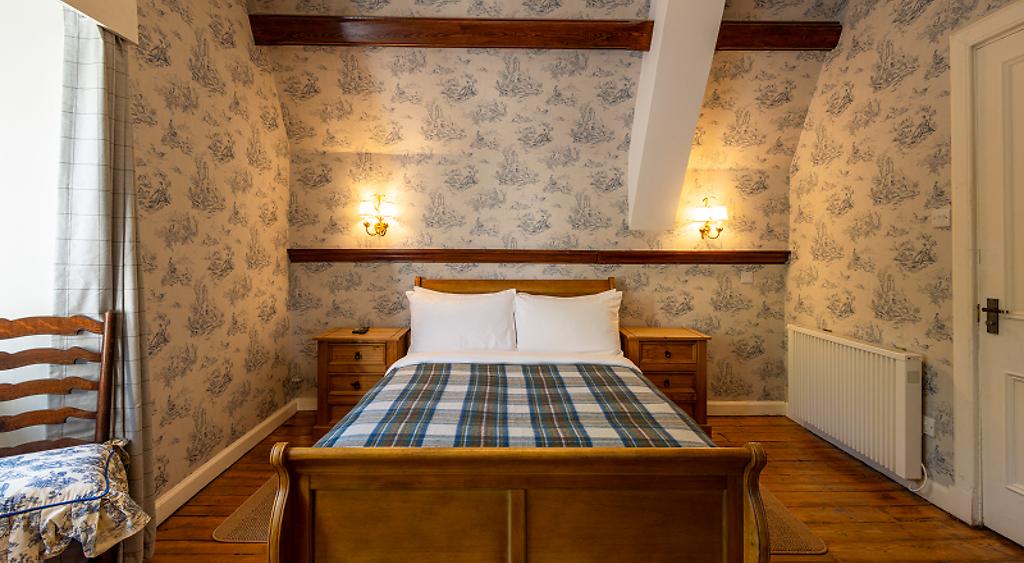
Set within beautifully landscaped gardens and just a short walk from Fort William's town centre, St Andrews House offers luxury holiday accommodation in the Scottish Highlands. Thoughtfully restored and transformed into two exceptional self-catering homestays, the property enjoys sweeping views over Loch Linnhe, providing a breath taking backdrop throughout your stay.
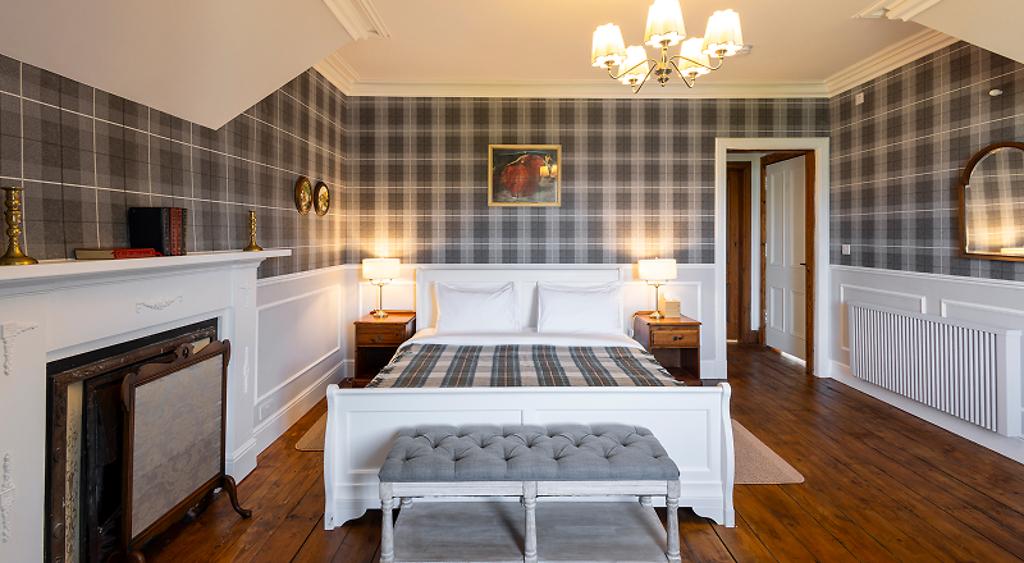
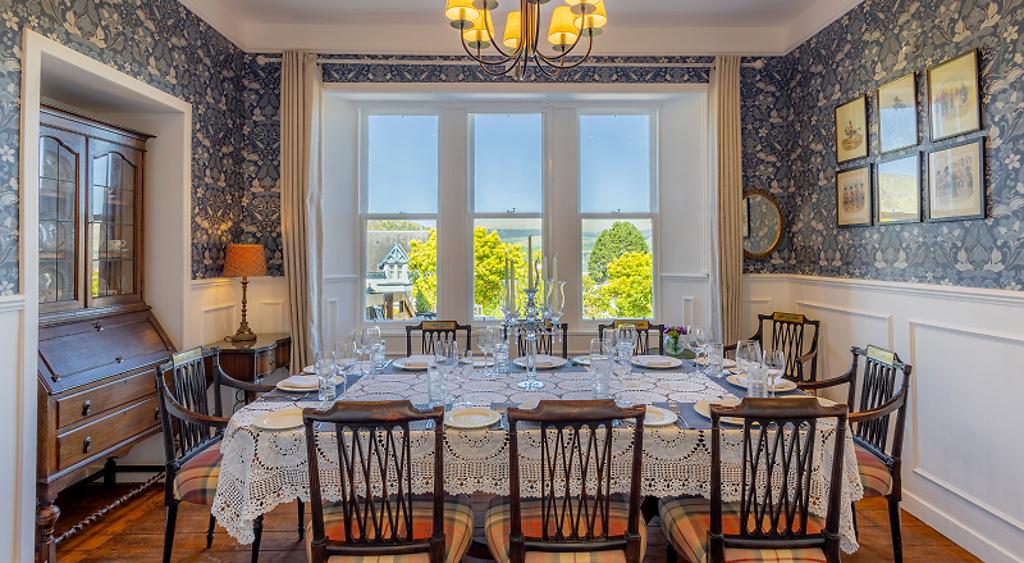
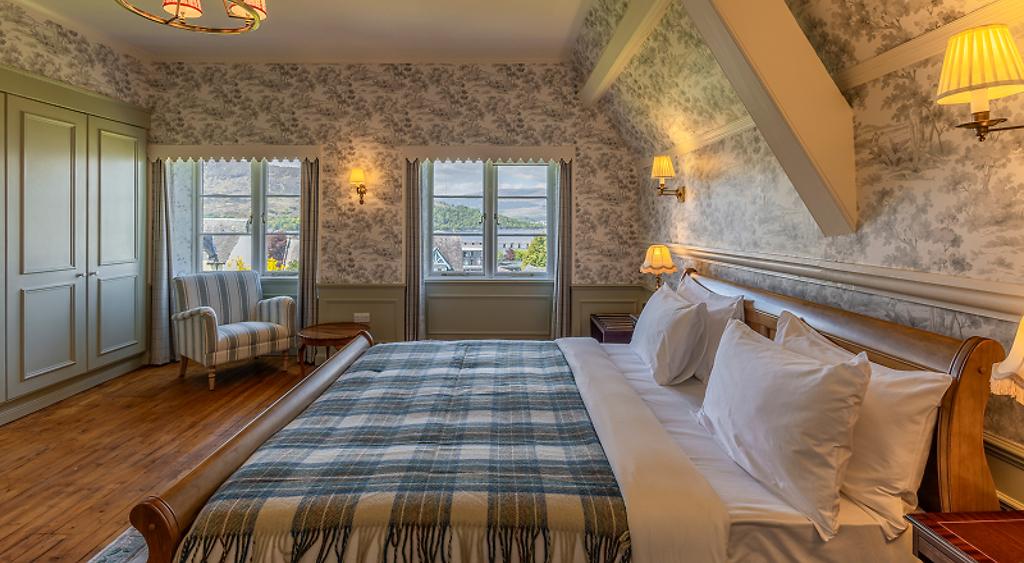
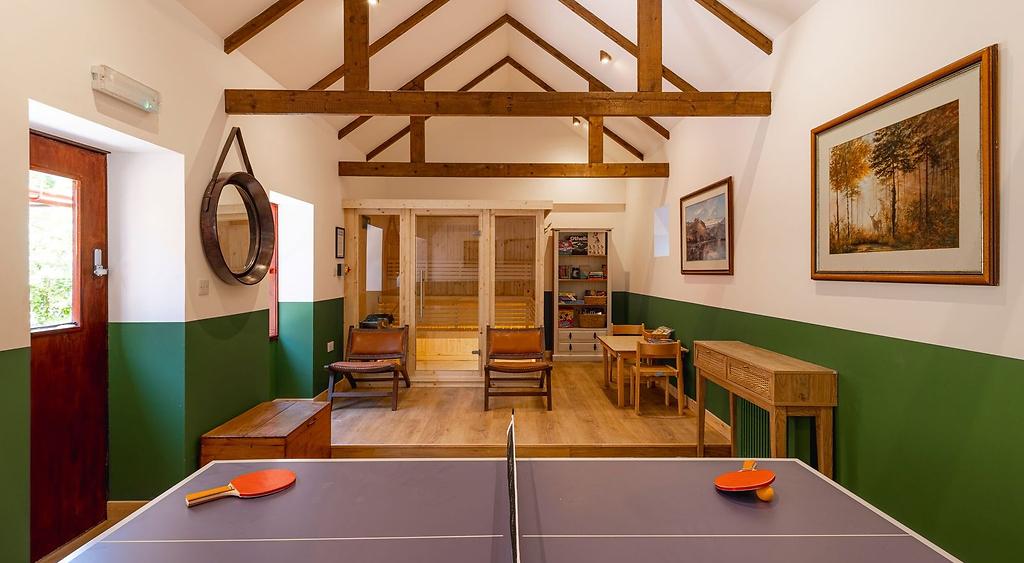
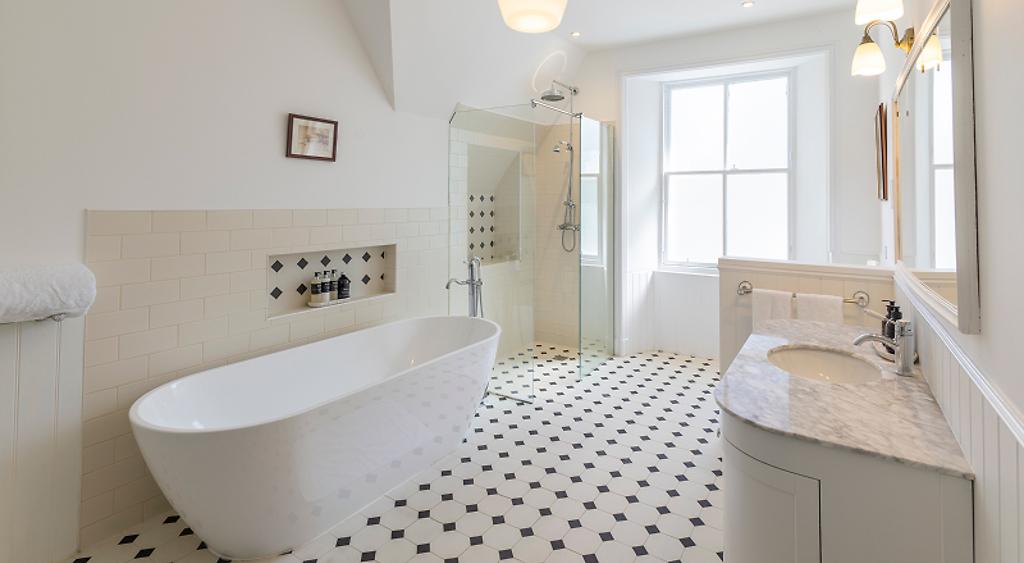
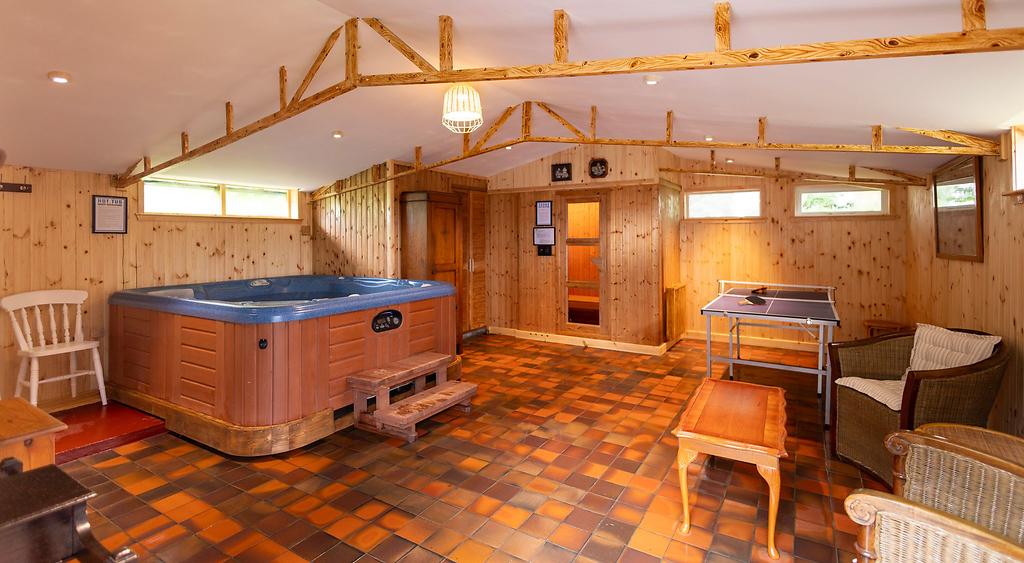
Each wing has been designed with both style and comfort in mind, featuring spacious living and dining areas, fully equipped kitchens, and large en-suite bedrooms. Guests can also enjoy private leisure facilities, including a sauna and Jacuzzi, the ideal way to relax after a day of hiking, sightseeing, or outdoor adventures in the Highlands. Choose between the West Wing, East, or both!
Exclusive offers
Stay and receive:
- Early check in (subject to availability)
- Please note this is a variable rate.
There are 2 special offers to choose from for this hotel.
View all offers?
Highlights
- Pet-friendly luxury self-catering accommodation in Fort William
- Elevated outdoor Jacuzzi hot tub with panoramic views of Loch Linnhe and Ben Nevis
- Expansive living and dining areas with fully equipped kitchen
- Private sauna
- Spacious self catering homestay
Home truths
The East Wing is pet friendly and The West wing is not.

Where is St Andrews House?
St Andrews House
Fassifern Road
Fort William
Scotland
PH336BD
Good to know
Hotel check-in time:
3:00 PMHotel check-out time:
10:00 AMCan you park at St Andrews House?
The property offers free onsite parking.
The grounds
St Andrews House is set within spacious, landscaped gardens
History of the hotel
St Andrews House, built in 1880 in Fort William, was originally constructed as the rectory and choir school for St Andrews Church, which still stands on the High Street opposite the house. At the time, the church and school shared the same grounds, although today they are separated by modern houses and a road. The church was initially intended to serve as the Cathedral for the Diocese of Argyll and the Isles, prompting the creation of the choir school to train the cathedral choir. Both buildings were designed by the renowned Scottish architect Alexander Ross.
The granite for St Andrews House was transported down the Caledonian Canal from Abriachan Quarry near Inverness, reflecting the meticulous craftsmanship of the era. Funding and support for the choir school came largely from George Baynton Davey, an English engineer who made his fortune in guano and married a local woman from Spean Bridge. He generously paid the salaries of the organist, Mr. William Thompson, teachers, and provided scholarships for four English choir boys. Following Mr. Davey's death in 1907, maintaining the school became unsustainable. Despite petitions from the congregation, the Bishop and vestry were forced to close the school when government support could not be secured.
In 1915, the building was divided into two dwelling houses and sold, marking the start of its journey from ecclesiastical residence to the luxurious homestay it is today.
St Andrews House East - The rectory side of St Andrews House has remained largely unchanged since its construction, originally serving as the residence for the rector and his household, including servants' quarters. The tower, which once housed the bell, remained in place until 1965 before it was relocated to the nearby church.
A sandstone plaque on the gable end proudly reads "St Andrews School 1880," while above the front door, an unusual inscription in Spanish — "Man proposes, God disposes" — hints at the house's storied past. Faintly visible above the door is the name "St Andrews House," weathered over time by the west coast elements. Inside, the woodwork is crafted from pure, unbled Canadian pitch pine, a rare material no longer obtainable.
St Andrews West - The school side of St Andrews House was originally designed without a staircase or first floor, with classrooms open to the internal roof, supported by solid pitch pine beams—many of which are still visible in some of the bedrooms today. A stone fireplace, carefully restored to its original condition after years of repainting, bears the inscription "Gloria in Excelsis." Above the front door, a biblical inscription from Ecclesiastes reads: "Remember now thy creator in the days of thy youth," while the former classroom is inscribed with "I love them that love me."
The exterior reflects the school's historic grandeur, with windows ornately framed in carved sandstone and polished granite pillars. Two stained glass rose windows at the front and rear of the house depict the Virgin and Child, adding a timeless and elegant touch that highlights the building's ecclesiastical heritage.
Does St Andrews House allow dogs?
St Andrews House East Wing is pet friendly.
Other UK hotels that may be of interest